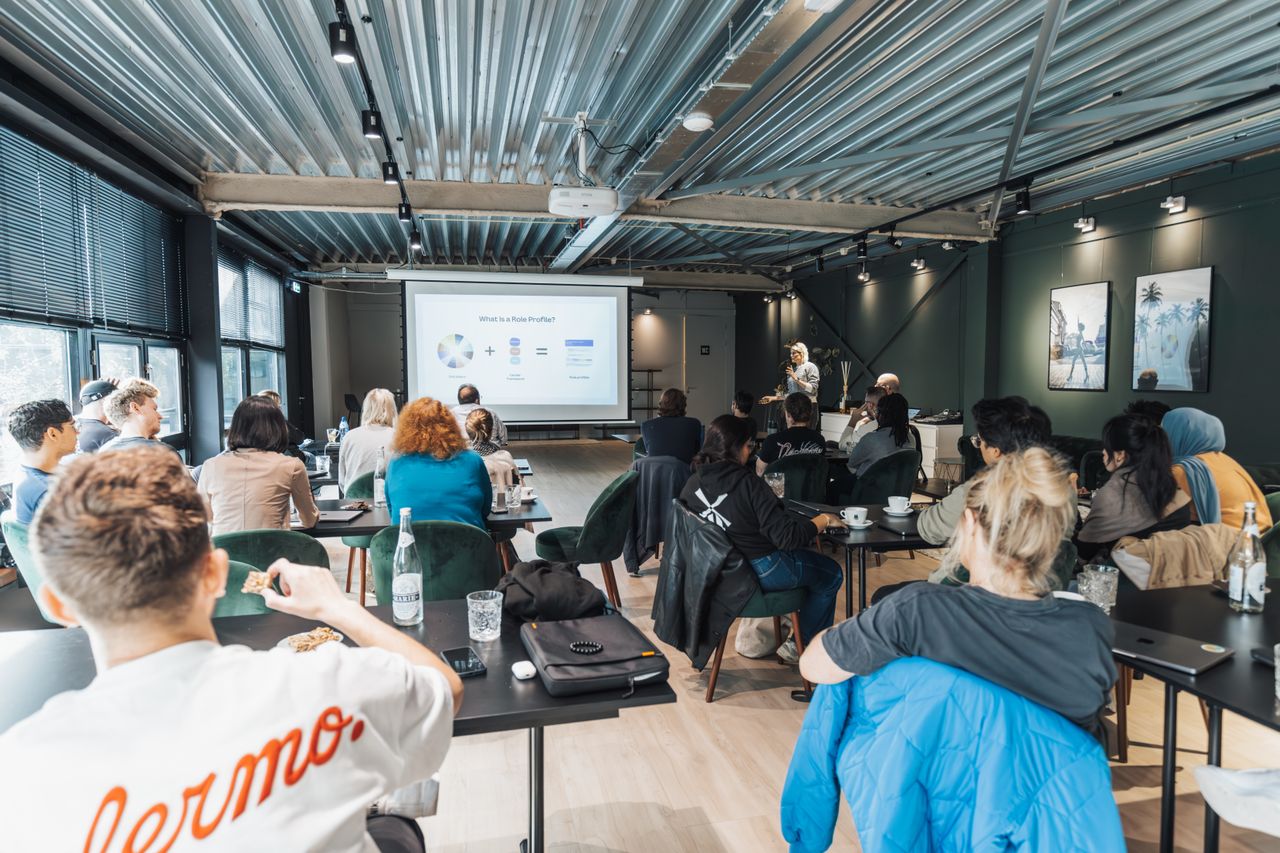

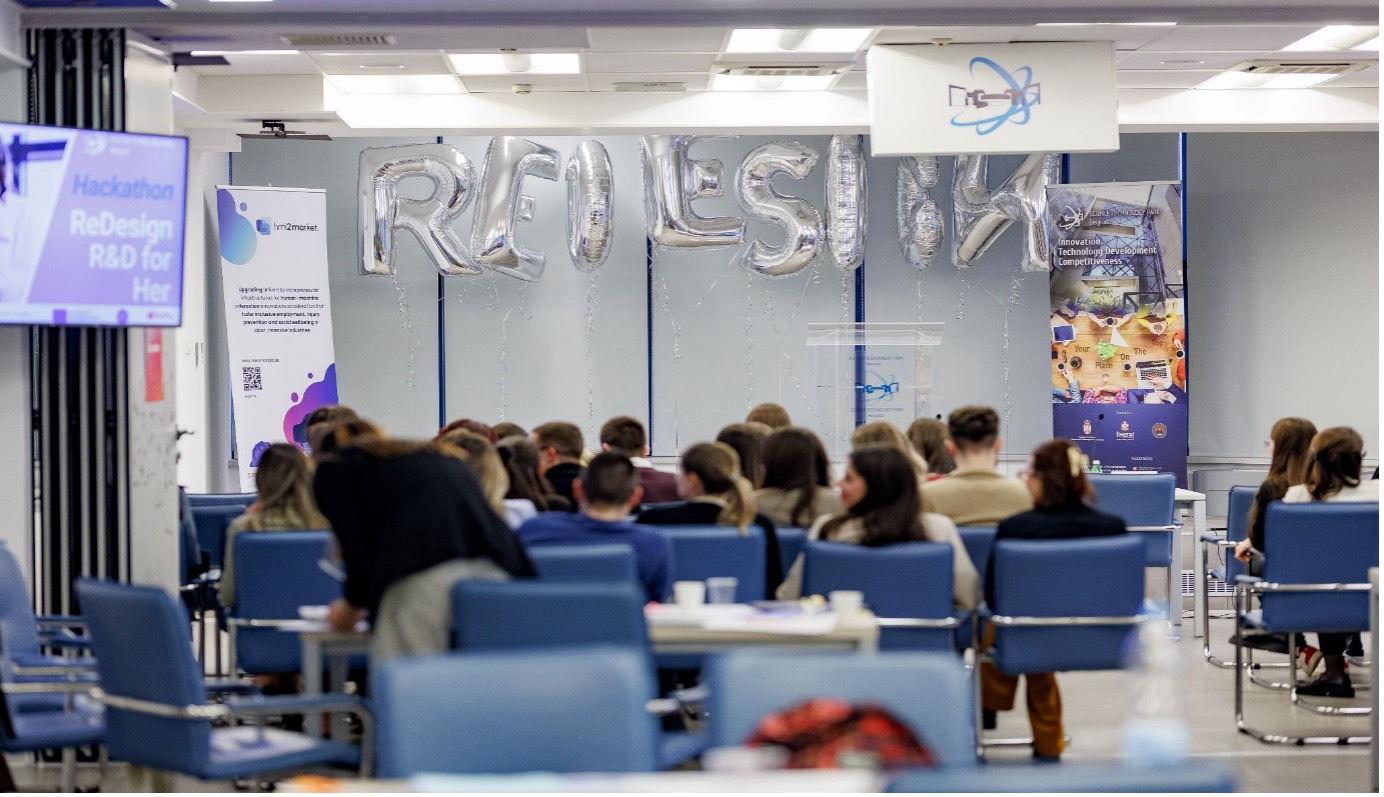
At the intersection of education, innovation, and industry collaboration, the recent hackathon organized by Science Technology Park Belgrade demonstrated how challenge-based learning can inspire students to think beyond academia and embrace entrepreneurial innovation.
As part of the broader effort to strengthen collaboration between higher education, startups, researchers, and industry, the initiative brought together students from across Serbia to work on a real-life industrial challenge provided by the company Desing. The result was not only the development of innovative digital solutions, but also a visible shift in mindset among participants – from academic problem-solvers to future innovators and entrepreneurs.
Turning a Real Industry Challenge Into Innovation
The hackathon gathered students of different educational backgrounds and study levels, including some startup founders, who worked in interdisciplinary teams on developing a “Smart Assist” digital tutor platform. The platform was envisioned as a solution for improving onboarding processes, workplace safety, procedural compliance, stress reduction, and the integration of women into laboratory and production environments.
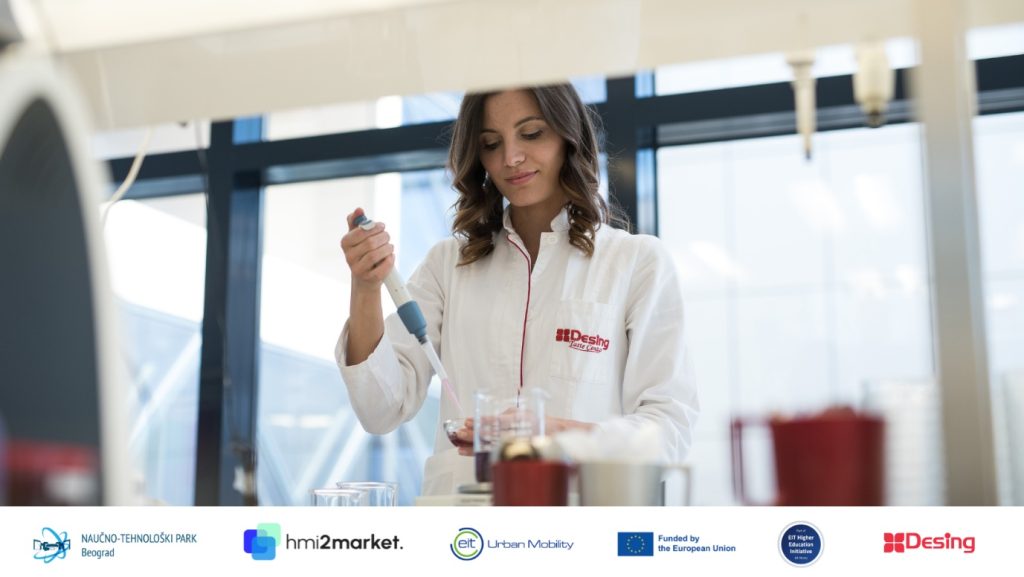
What made the initiative unique was its grounding in a real industrial context. Participants had the opportunity to visit the Desing laboratory located within the Science Technology Park Belgrade complex, where they directly explored production and R&D processes, laboratory equipment, safety protocols, material management procedures, and everyday operational challenges.
This direct exposure transformed the challenge from a theoretical exercise into a practical innovation experience.
From Students to Future Entrepreneurs
At the beginning of the hackathon, many participants primarily identified themselves as students focused on technical knowledge and academic achievement. However, throughout the program, their perception gradually evolved.
Working on a real-world challenge helped participants understand how their skills could be applied to create practical, market-relevant solutions. According to the evaluation survey conducted after the hackathon:
- 46% of participants highlighted working on a real-life industrial challenge as the most valuable aspect of the experience.
- 53% expressed interest in continuing the development of their solutions after the hackathon.
- 100% stated they would participate again in future initiatives organized within the STPB ecosystem.
The transition toward entrepreneurial thinking was further encouraged through mentorship, networking opportunities, and exposure to startup methodologies. Participants received guidance from industry experts, innovation mentors, professors, and representatives of the Science Technology Park Belgrade ecosystem.
Additional incentives included:
- Internship opportunities within an AI-based startup,
- Free coding credits through Lovable,
- A guided visit to the Desing company for the winning team,
- Meetings with experts from the company’s professional team.
These experiences allowed students to see innovation not only as an academic process, but also as a realistic pathway toward entrepreneurship, collaboration, and future career development.
The Role of Science Technology Park Belgrade
Unlike externally designed educational programs, this initiative was fully conceptualized and organized by Science Technology Park Belgrade itself.
The hackathon methodology was specifically created around a concrete industry need identified together with Desing, one of STPB’s member companies. Through this co-creation model, STPB positioned itself as a bridge between academia, industry, startups, and innovation support structures.
Its role included:
- Designing the hackathon format and methodology,
- Connecting students with mentors and industry experts,
- Facilitating collaboration between participants and the company,
- Supporting innovation-driven problem solving,
- Encouraging entrepreneurial thinking through practical engagement.
The initiative also strengthened collaboration between students, academia, startups, and regional innovation actors, opening opportunities for future mentorships, internships, and continued cooperation.
Strengthening the Innovation Ecosystem
The hackathon call was shared through regional innovation networks and partner organizations across Serbia, attracting participants from different cities and academic disciplines.
Beyond the development of digital prototypes, the initiative helped strengthen horizontal connections within the innovation ecosystem itself – between students, universities, startups, technology companies, and innovation support organizations.
Its impact continued shortly after the event, inspiring the organization of another interdisciplinary hackathon titled “Preventing the Next Global Health Crisis: One Health Solutions.”
The initiative clearly demonstrated that students increasingly recognize STPB not only as a place for startups and technology companies, but also as a platform where they can:
- develop ideas,
- connect with industry,
- gain mentorship,
- and explore entrepreneurial pathways.
More Than a Hackathon
One of the most important outcomes of the initiative was the shift in mindset among participants.
As the business mentor and hackathon facilitator explained:
“People there learned new methodologies and ways of thinking about problems. The results included 9 digital prototypes and future business models, hundreds of rough ideas and a deep analysis of the problem space. But what I’m most proud of is the mindset shift. Participants left thinking differently about how to innovate. That’s the real outcome.”
Participants themselves emphasized the value of practical experience, teamwork, and exposure to real societal and industrial challenges.
One participant shared:
“For me, the greatest value of the hackathon was the opportunity to work on a real-life challenge and gain practical experience outside of the classroom. It also helped me become more confident in presenting and defending my ideas.”
Another added:
“The best part of the experience was the teamwork, brainstorming new ideas, and the creative energy throughout the entire hackathon.”
And one participant summarized the broader impact of the initiative:
“What I appreciated the most was that the topic had a broader social impact, so besides the technical aspect, we were also thinking about real societal challenges and possible solutions.”
Building Entrepreneurial Universities Through Collaboration
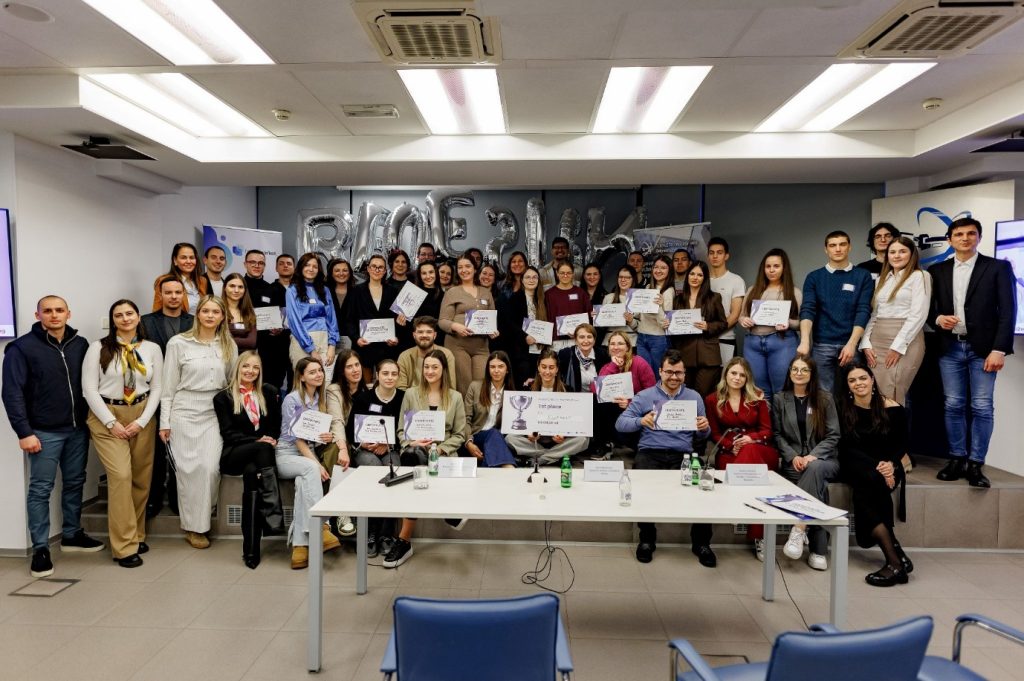
This success story illustrates how institutions and innovation ecosystems can move beyond traditional educational models by creating environments where students actively engage with real-world challenges, industry needs, and innovation processes.
Through initiatives like this, entrepreneurship becomes more than the creation of startups – it becomes a mindset focused on collaboration, experimentation, problem-solving, and creating value for society.
By connecting academia, industry, and innovation support structures, Science Technology Park Belgrade continues to demonstrate how challenge-based collaboration can empower the next generation of innovators and strengthen Serbia’s broader entrepreneurial ecosystem.